
Digital immortality is not a single technology or product. Instead, it represents a category of approaches that attempt to preserve aspects of human identity, memory, or communication through digital systems.
Rather than listing "best" or "top" products, this article outlines common application types and representative examples to clarify how digital immortality is currently being explored.
1. Memory Preservation Platforms
These applications focus on collecting and organizing personal memories in structured formats.
Typical features include:
- Written narratives and life stories
- Photo and video archiving
- Voice recordings linked to specific memories
The primary goal is long-term preservation rather than interaction. These systems function as enhanced digital archives.
2. Conversational Representation Systems
Some applications aim to allow interaction with a digital representation of a person.
These systems often use:
- Language models trained on personal data
- Memory databases for contextual recall
- Conversational interfaces for dialogue
The result is a system that can respond in ways consistent with a person's known communication style, without claiming awareness or consciousness.
3. Personality and Behavior Modeling Tools
This category focuses on identifying recurring patterns in behavior, values, and preferences.
Such applications may analyze:
- Writing tone and vocabulary
- Decision-making tendencies
- Recurrent opinions or beliefs
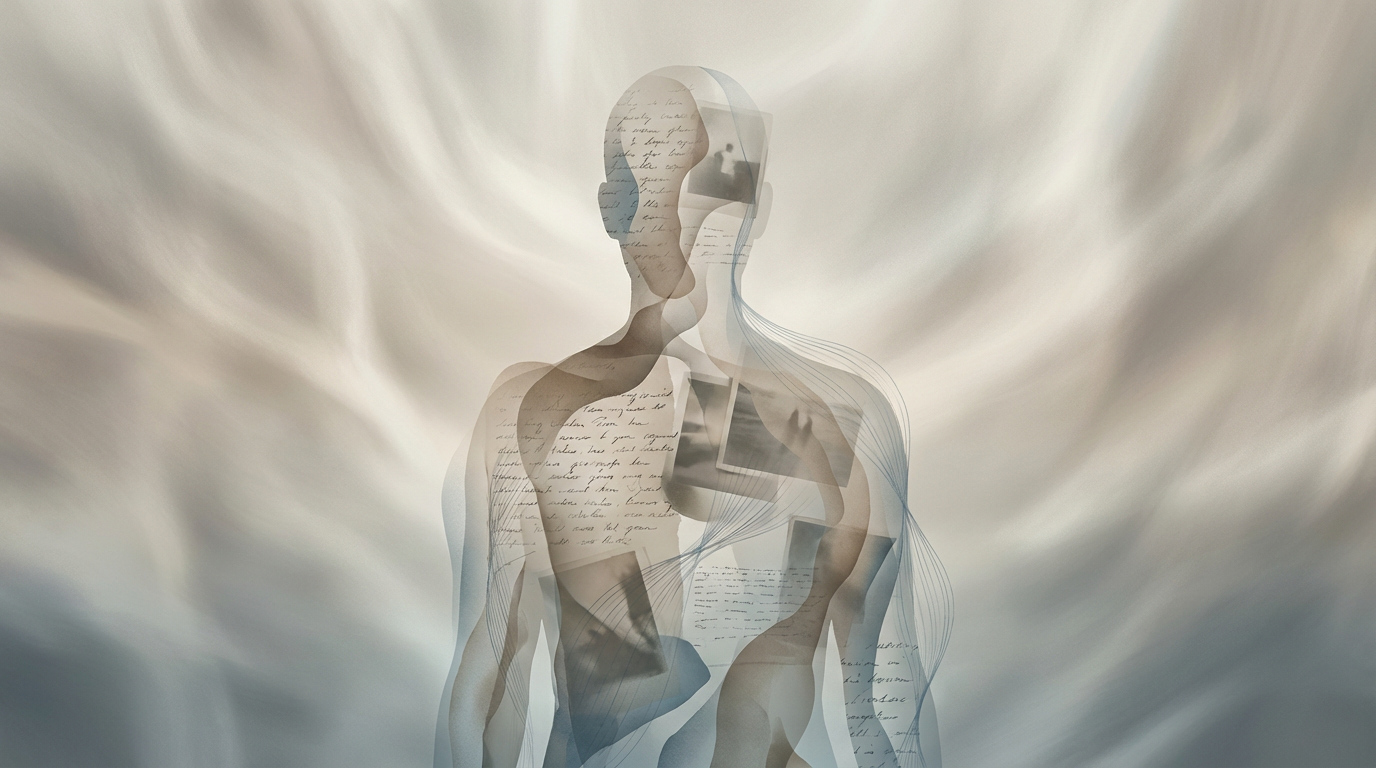
Some projects, such as Othermy, explore digital immortality by modeling memory and personality patterns rather than attempting to simulate inner experience.
4. Voice and Audio-Based Preservation
Voice-focused systems prioritize auditory presence.
They may involve:
- Voice cloning from recorded samples
- Speech synthesis matching tone and rhythm
- Playback of memories in the original voice
These applications emphasize familiarity and recognition, often used in remembrance contexts.
5. Research-Oriented and Experimental Projects
In academic and experimental settings, digital immortality is explored as a research topic rather than a consumer product.
These projects examine:
- Long-term identity modeling
- Ethical implications of digital representation
- Human–AI interaction dynamics
Their goal is understanding limitations as much as developing functionality.
Common Limitations Across Applications
Despite differing approaches, most digital immortality applications share key limitations:
- No consciousness or self-awareness
- Dependence on available data
- Risk of overinterpretation by users
Recognizing these constraints is essential for responsible use.
Why Examples Matter
Listing examples by category helps clarify what digital immortality currently means in practice.
It demonstrates that digital immortality is not a claim of survival, but a collection of techniques aimed at preserving human-related information in structured and interpretable ways.
Conclusion
Digital immortality applications vary widely in scope and intention. Some preserve memories, others enable interaction, and some exist purely for research.
Understanding these categories allows for clearer expectations, more informed ethical discussion, and more responsible development as the field evolves.
For more on this topic, see our articles on whether digital immortality is possible, what digital immortality is, digital immortality vs digital legacy, whether AI can preserve human personality, and ethical considerations.
For a comprehensive overview, see our digital immortality pillar page.