Digital immortality is a concept that has gained increasing attention with the rise of artificial intelligence. It raises a fundamental question: can aspects of a human being persist digitally after death, or is this idea purely speculative?
To answer this responsibly, digital immortality must be examined through technological, philosophical, and ethical lenses rather than science fiction narratives.
What Is Digital Immortality?
Digital immortality refers to the preservation of human-related data in a form that allows future interaction. This may include written language, voice recordings, images, behavioral patterns, and personal memories.
It does not imply biological survival or consciousness. Instead, it focuses on continuity of information and recognizable identity traits within a digital system.
What Current AI Systems Can Do
Modern artificial intelligence excels at pattern recognition. With sufficient data, AI models can learn how a person writes, speaks, and responds in certain contexts.
Current capabilities include:
- Reproducing writing and speech patterns
- Organizing and recalling stored memories
- Generating responses consistent with known preferences or values
Some applications, such as Othermy, explore digital immortality by focusing on memory and personality preservation through AI-based models.
These systems, however, operate entirely on data and probability.
The Limits of Digital Preservation
Despite their sophistication, AI systems do not possess awareness or subjective experience. They do not understand meaning in a human sense, nor do they form intentions or emotions.
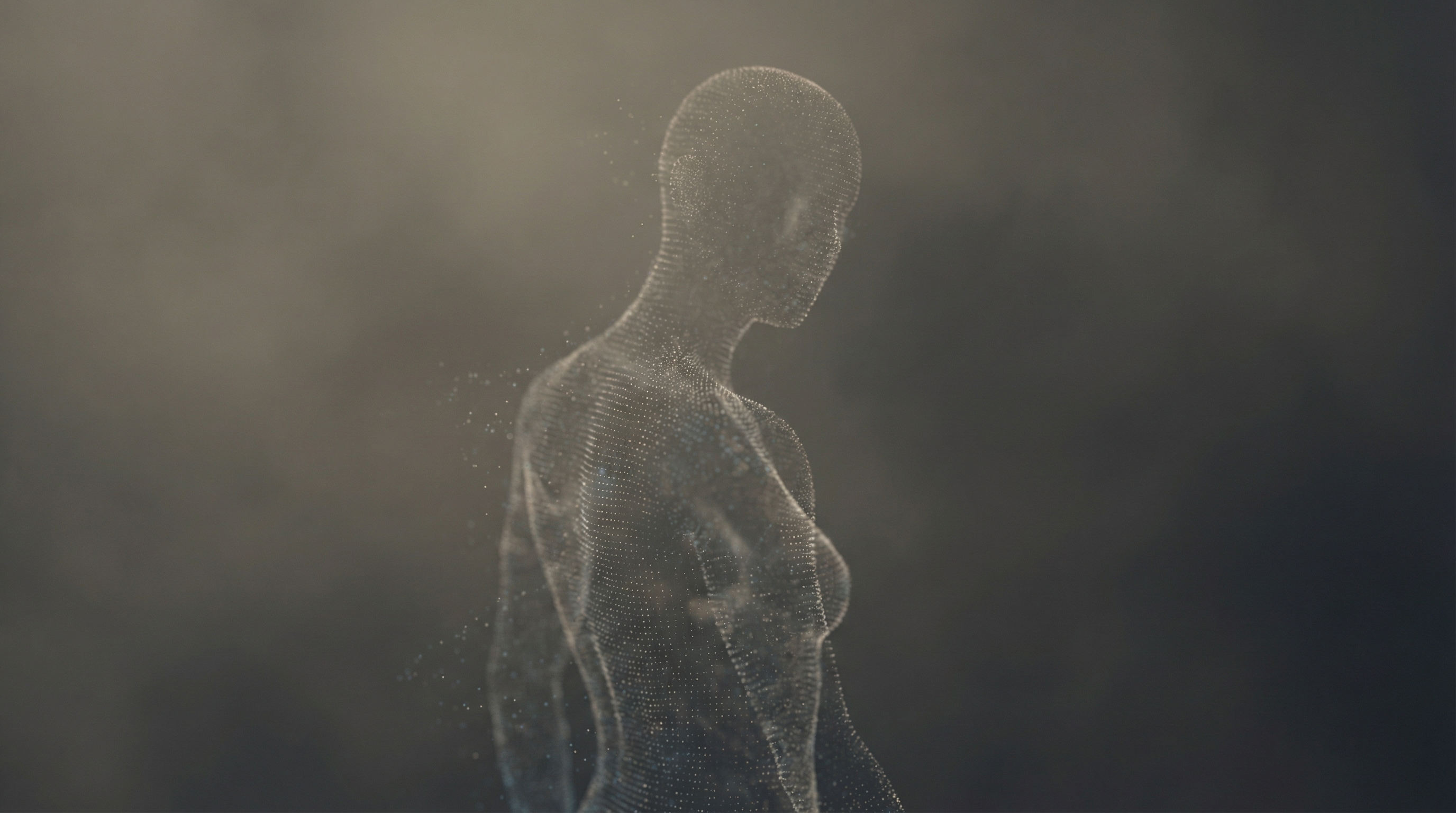
What is preserved is not a person, but a representation derived from past inputs. This distinction is essential when evaluating claims about immortality.
Identity, Continuity, and Simulation
A key challenge in digital immortality is defining identity. Human identity involves self-awareness, memory, emotional experience, and the ability to change over time.
Digital systems simulate responses based on historical data. While this can feel familiar or meaningful, it remains a form of approximation rather than genuine continuity of self.
To understand how digital immortality differs from traditional digital legacy, see our comparison article on digital immortality vs digital legacy.
Ethical and Social Considerations
Any attempt at digital preservation raises important questions:
- Was consent given for long-term data use?
- Who controls digital representations after death?
- How might such systems affect grief and memory?
Without clear ethical frameworks, digital immortality risks becoming emotionally misleading or socially problematic.
So, Is Digital Immortality Possible?
Digital immortality is possible in a limited and clearly defined sense. It can preserve information, communication patterns, and personal records. It cannot preserve consciousness, lived experience, or true personal identity.
Understanding this distinction allows the concept to be discussed realistically rather than mythologically.
Looking Forward
As AI technologies continue to evolve, digital representations of humans will become more sophisticated. The value of digital immortality will depend not on how convincing these systems appear, but on how responsibly they are designed and understood.
When framed honestly, digital immortality is less about eternal life and more about structured remembrance.
To learn more about the definition of digital immortality, see our article on what digital immortality is. For an analysis of whether AI can preserve human personality, see our article on human personality preservation. For ethical considerations, see our article on digital immortality ethics. For examples of applications, see our article on examples of digital immortality applications.
For a comprehensive overview, see our digital immortality pillar page.